Blog
Being a leader

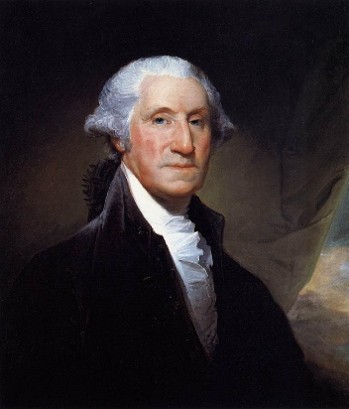
On this day (September 19) 240 years ago, George Washington gave his farewell address as he stepped down at the end of his second term as president. The “address” was not a publicly delivered speech but was a letter published in the Philadelphia newspaper American Daily Advertiser.
Washington could have stayed for a third term. He was extraordinarily popular and there were no constitutional limits on the number of terms a person could be president. But by stepping down he set a precedent – the president was not a president-for-life and political power should be transfered peacefully.
In this complex and rancorous political climate, we would do well to remind ourselves of his example and several major observations and points he made in the address.
Washington was wary of political parties. He was concerned that party loyalty could supersede loyalty to the country and its goals and values. He thought that parties could encourage revenge, obstruct government and enable leaders to exploit political divisions.
Washington argued that the country should avoid “permanent alliances with any portion of the foreign world.” That did not mean that he supported being an isolationist. He was a believer in international commerce and temporary alliances when circumstances warranted them. His concern was allowing commitments to drag the United States into conflicts that were not in its interests.
Washington also worried that regional, religious, ethnic, and occupational identities would cause people to forget that we are all citizens of the same country and we have a common set of beliefs, values and ambitions that should transcend narrower identities. The “union” that is this country is an essential source of its strength and prosperity.
Washington stressed the importance of religion and morality in public life, avoiding unnecessary government debt, educating the population, respecting the Constitution, and resisting attempts to seize power through unconstitutional means.
Washington was an extraordinary leader and his address is a very important document in our history. Since 1896, the U.S. Senate has observed a tradition of having a senator read Washington’s farewell address aloud around Washington’s birthday each year.
Perhaps we should read it more often.